Home
/

CSPM Workshops

CSPM will host eight workshops designed to advance your clinical skills and keep you at the forefront of innovation in pelvic health care.

Workshops Schedule

Workshop 1

About the Workshop:

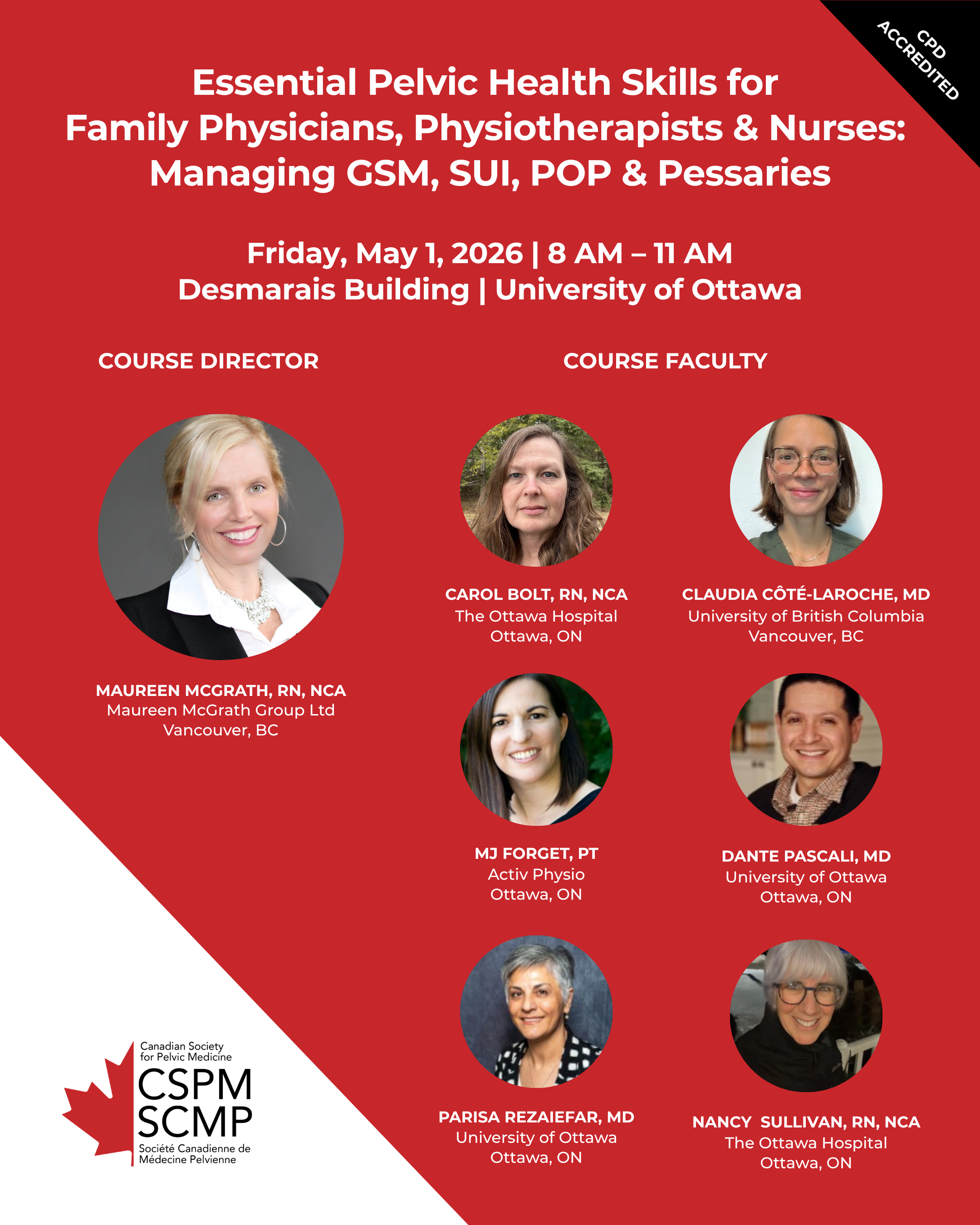
The Essential Pelvic Health Skills for Family Physicians, Physiotherapists & Nurses: Managing GSM, SUI, POP & Pessaries Workshop equips physicians, nurses, pelvic health physiotherapists, and allied health professionals with practical, evidence-based skills to assess and manage stress urinary incontinence (SUI), pelvic organ prolapse (POP), and genitourinary syndrome of menopause (GSM).

Through guideline-informed teaching and real-world clinical scenarios, participants will strengthen their ability to perform trauma-informed pelvic examinations, accurately diagnose and classify POP, distinguish GSM from other urogenital conditions, and correlate symptoms with findings.

Emphasis is placed on first-line, conservative management strategies appropriate for primary care, including lifestyle interventions, pelvic floor physiotherapy, localized estrogen therapy, and pessary use.

An interdisciplinary team of facilitators will share practical models for integrating pessary services and collaborative care into everyday practice, supporting timely, patient-centred management while reducing unnecessary specialist referral.

Target Audience:

Physicians, nurses, pelvic health physiotherapists, and allied health professionals.

Learning Objectives:

  • Explain the pathophysiology, risk factors, clinical presentation, and assessment of pelvic organ prolapse (POP) and stress urinary incontinence (SUI) to support accurate diagnosis and appropriate selection of conservative versus surgical management.
  • Perform a trauma-informed pelvic examination to assess and classify POP, evaluate pelvic floor support, correlate symptoms with findings, and identify features of genitourinary syndrome of menopause (GSM), distinguishing it from other pelvic conditions.
  • Initiate conservative management for POP, SUI, and GSM, including lifestyle strategies, pelvic floor physiotherapy, local estrogen therapy, and timely referral when indicated.
  • Select and manage vaginal pessaries for POP and SUI, including appropriate device choice, indications/contraindications, fitting, insertion and removal techniques, patient education, troubleshooting complications, and follow-up care.
  • Integrate pessary care into clinical practice through effective documentation, interprofessional collaboration, referral pathways, and implementation of safe, patient-centred follow-up models.

Workshop-Only Ticket Available

The Workshop 1 is also available as a standalone ticket — no conference registration required. Reserved exclusively for Family Doctors and Allied Health Providers.

Workshop 2

About the Forum:

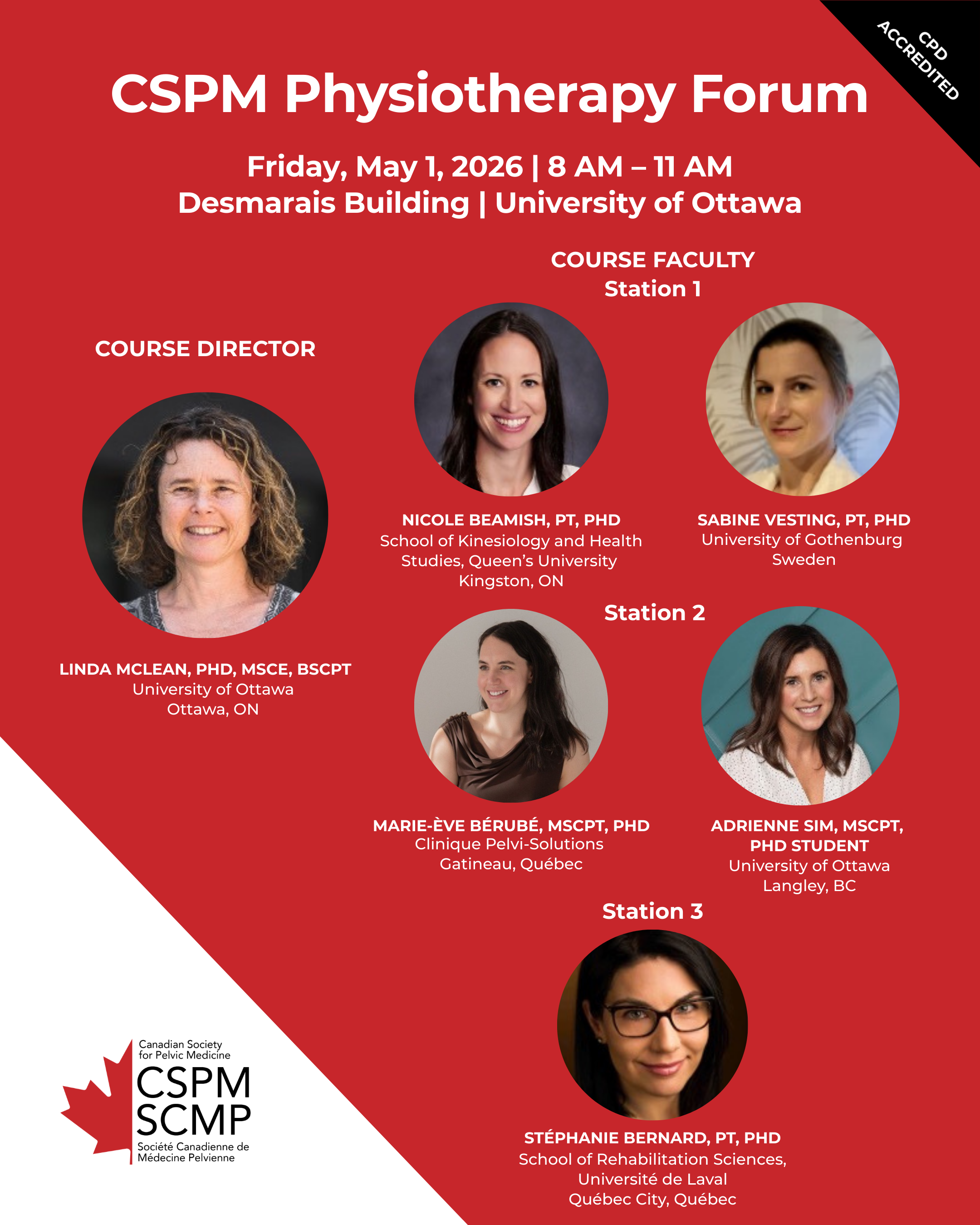
This workshop will share recent updates on the evidence surrounding conditions that are commonly managed by pelvic health physiotherapists, including post-partum diastasis recti abdominis, pelvic floor rehabilitation after gynaecologic cancer treatment, and management of pelvic floor disorders among female athletes.

Learners will rotate through three interactive stations. Each station will include a short seminar presentation followed by a group discussion on current evidence, management practices and practice gaps.

Target Audience:

Physiotherapists, nurses, nurse practitioners, physicians (GPs, urogynaecologists, urologists).

Stations:

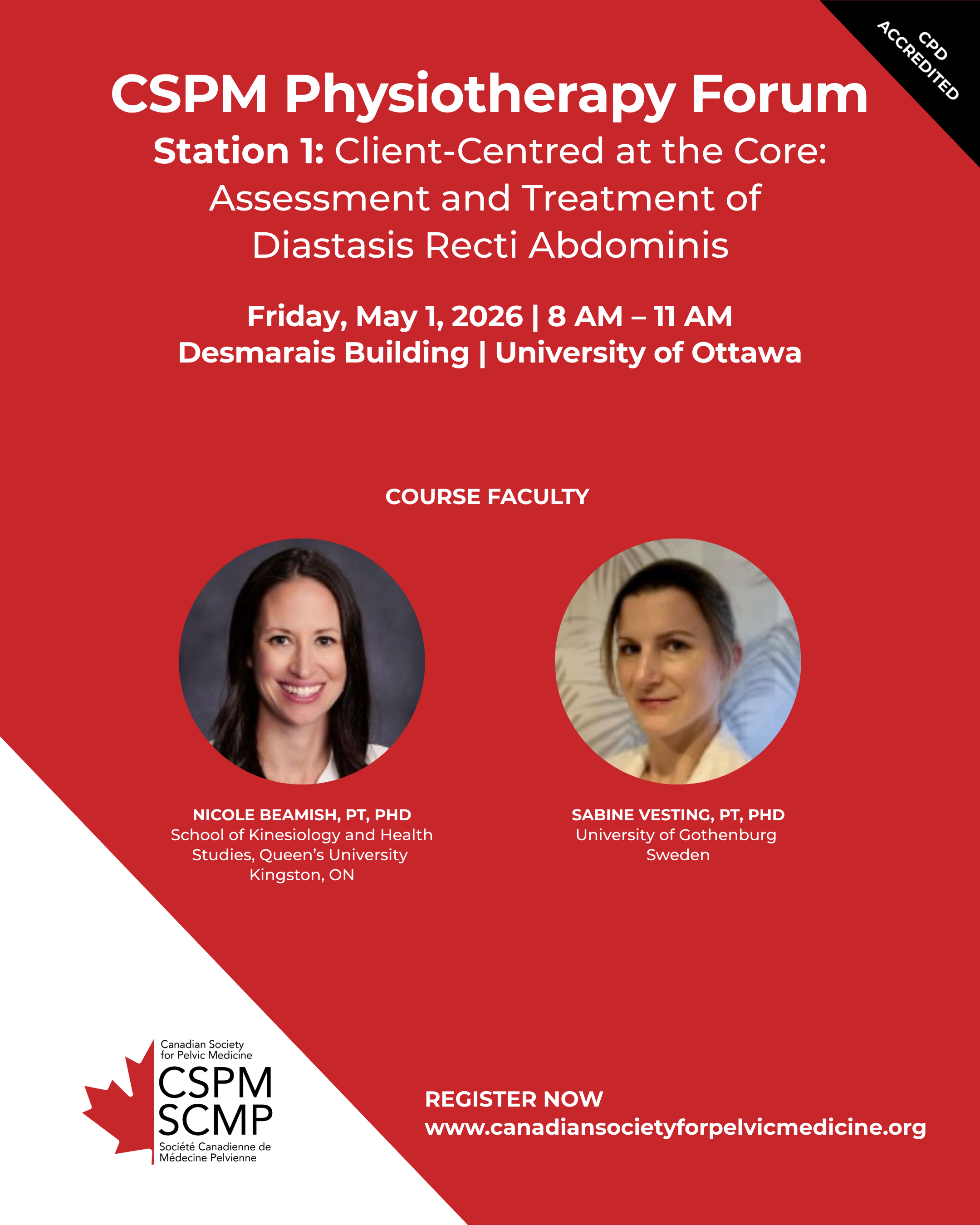
  • Client-Centred at the Core: Assessment and Treatment of Diastasis Recti Abdominis
  • Run, Jump, Lift, or Dance Like No One is Watching? What to Do When Physical Activities Become a Problem for the Female Pelvic Floor
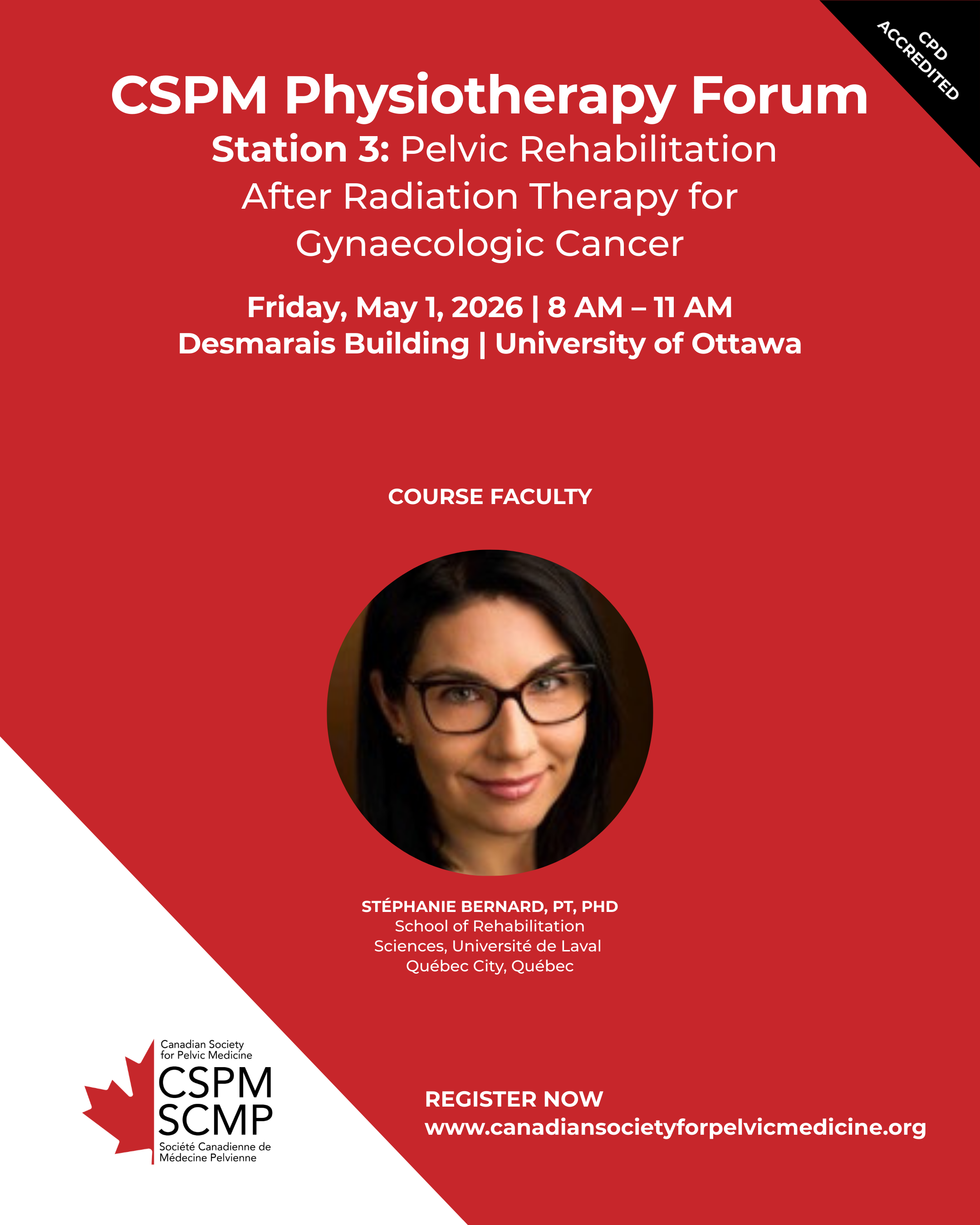
  • Pelvic Rehabilitation After Radiation Therapy for Gynaecologic Cancer

Station 1

About Station 1:

Diastasis recti abdominis is one of the most commonly encountered — and poorly understood — conditions in perinatal and postpartum care. This station examines what the current evidence actually tells us about abdominal wall function during pregnancy and recovery.

Participants will explore how to identify and prioritize what matters most to each client: function, symptoms, body image, quality of life, and return to activity. Using a biopsychosocial, movement-focused lens, clinicians will develop a structured approach to assessment and individualized treatment planning that centres client goals at every step.

Learning Objectives:

  • Critically discuss the current evidence on diastasis recti abdominis (DRA) and abdominal wall function during pregnancy and the postpartum period.
  • Identify client-centred concerns related to DRA (e.g., function, symptoms, body image, quality of life, and return to activity) and integrate these into a biopsychosocial, movement-focused framework for clinical decision-making.
  • Describe a structured clinical approach to assessing DRA and implement evidence-informed, individualized treatment strategies aligned with client goals.

Station 2

About Station 2:

Staying active is essential — but for many women, high-impact and strenuous physical activities come with an unwanted pelvic floor symptoms. This station explores the biomechanical forces at play during exercise and sport, and why females are particularly vulnerable.

Participants will examine how loading experienced during physical activity can affect pelvic organ support both immediately and over time, and will review the evidence behind conservative and biomechanical interventions for managing symptoms that present during physical activities.

Whether your patients are recreational movers or competitive athletes, leave with practical, evidence-informed strategies to help them stay active without compromise.

Learning Objectives:

  • Discuss the extent of the problem related to pelvic floor disorders among physically active females.
  • Describe the forces acting on the female pelvic floor and the relative influence of these forces during different physical activities.
  • Consider how pelvic floor loading experienced during physical activities may affect pelvic organ support in the immediate and longer term.
  • Discuss how different conservative interventions may mitigate pelvic floor strain or symptoms during physical activities.
  • Consider the available evidence supporting biomechanical interventions for pelvic floor disorder symptoms experienced during physical activities when selecting appropriate interventions.

Station 3

About Station 3:

This presentation will focus on understanding radiation therapy processes and their effects on pelvic structures, and the rationale for adapting physiotherapy interventions for survivors of gynecological cancer.

We will explore how radiation impacts tissues and function, review evidence-based strategies for modifying rehabilitation approaches, and provide practical guidance on assessing, tailoring, and implementing pelvic health interventions to optimize recovery, function, and quality of life.

Learning Objectives:

  • Describe the processes of radiation therapy and their effects on pelvic structures relevant to rehabilitation.
  • Explain the rationale for adapting pelvic health interventions to address tissue changes and functional limitations caused by cancer treatments.
  • Identify appropriate timing and strategies for initiating and modifying pelvic health interventions across different phases of gynecological cancer care.
Register Today

Workshop 3

About the Workshop:

This CPD-accredited workshop will provide guidance to healthcare professionals about the process of evaluating and protecting personal innovations to ensure that ownership of intellectual property is maintained.

Target Audience:

Participants would include healthcare professionals with potential to innovate and those who may already have an innovation they wish to protect. The workshop will provide information that could form the foundation of an innovation presentation for local academic departments.

Learning Objectives:

  • Understand the necessary foundations for seeking patent protection for medical innovations. (Leader, scholar)
  • Understand the patenting process (scholar)
  • Understand the types of patents and the rationale for their uses (scholar)
  • Acquire an overview of the medical device regulatory environment and ethical practice standards (Professional)
Register Today

Workshop 4

About the Workshop:

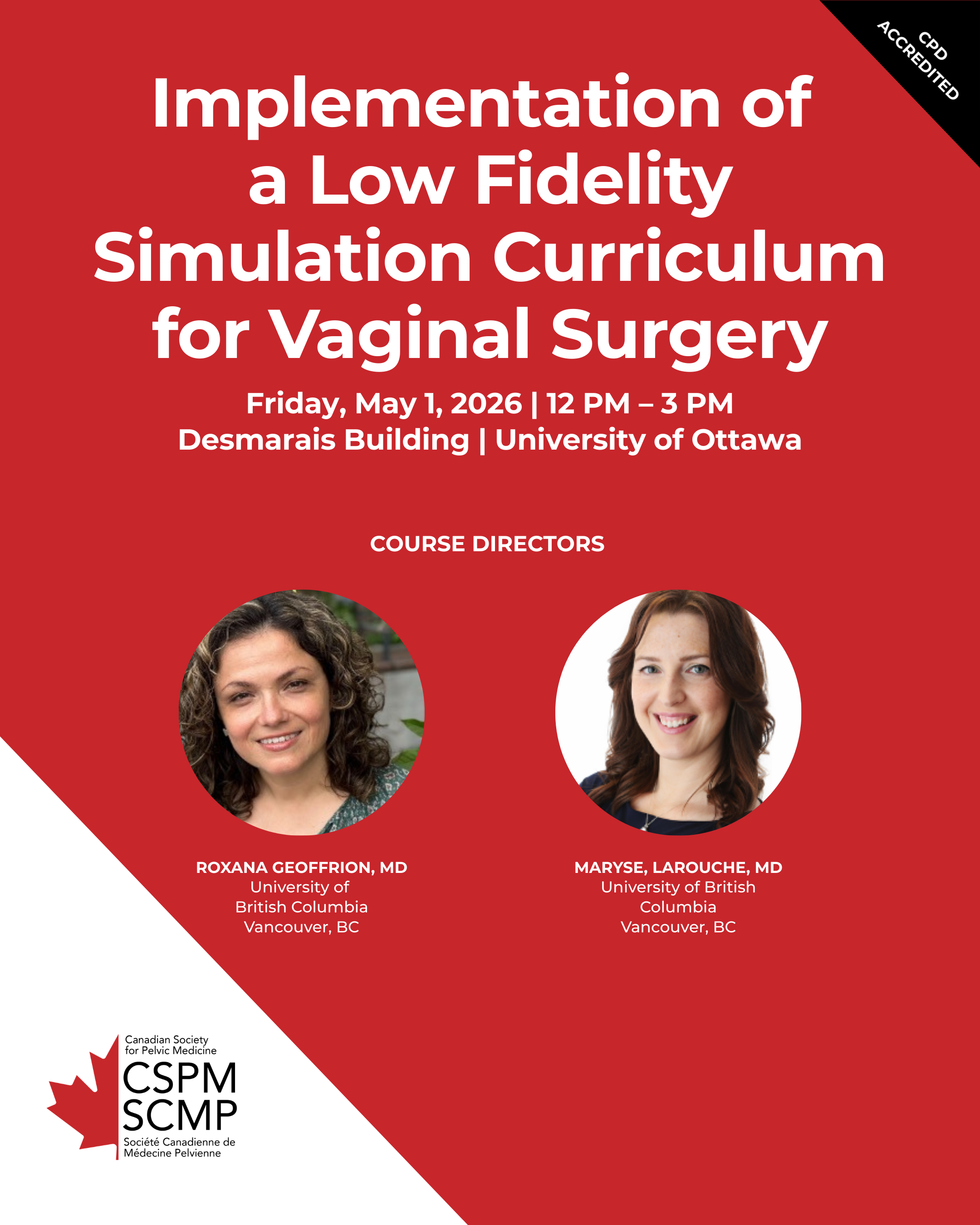
Increasingly, Obstetrics and Gynecology (ObGyn) residency programs rely on urogynecologists to teach vaginal surgery during mandatory rotations. While this can be achieved through procedural repetition in the operating room, residents compete with other learners, such as urogynecology fellows, for case volume and may not achieve the necessary skills to become competent vaginal surgeons by graduation.

For example, while 90% of residency program directors affirm resident ability to independently perform a vaginal hysterectomy, urogynecology fellowship program directors state that only 20% of first-year fellows can perform a vaginal hysterectomy unsupervised.

Moreover, while formative assessment within entrustable professional activities exists for some vaginal surgeries, there are no validated objective and summative tools for the evaluation of procedure-specific skills.

Target Audience:

Urogynecologists, surgical educators, residency program directors, learners.

Learning Objectives:

  • Evaluate current evidence-based programs for teaching vaginal surgery skills.
  • Demonstrate the implementation of our evidence-based vaginal surgery curriculum into an ObGyn residency program.
  • Build a CSPM network of surgical educators who can lead vaginal surgery curriculum implementation at their respective institutions.
Register Today

Workshop 5

About the Workshop:

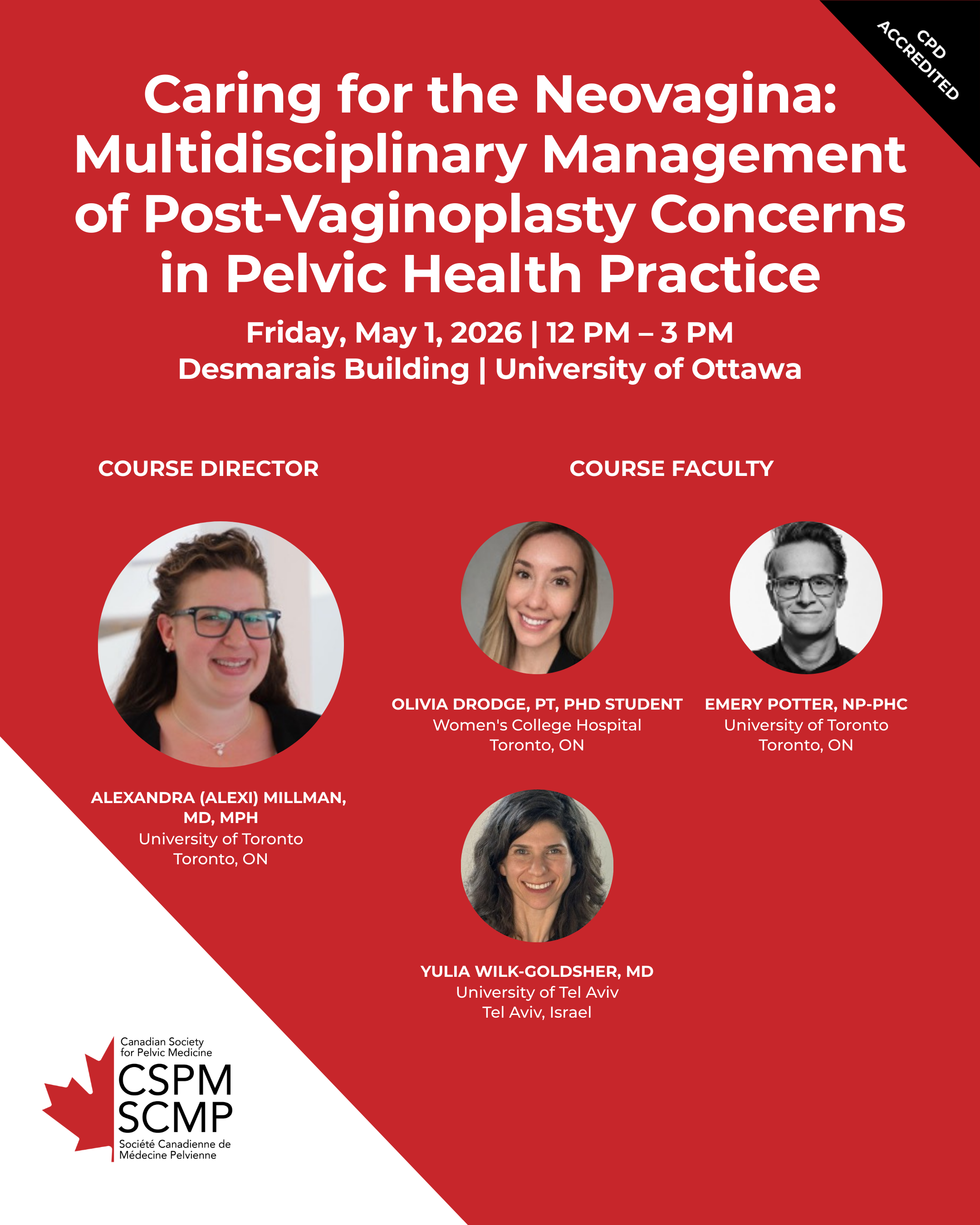
This workshop translates complex surgical and postoperative concepts into practical pelvic health care strategies.

Drawing on real-world experience from a specialized gender affirming care center, the faculty will guide participants through interactive case discussions, visual anatomy review, hands-on dilation and examination strategies, and small-group problem-solving.

Target Audience:

Clinicians involved in pelvic health care for patients following gender-affirming vaginoplasty, including: gynecologists, pelvic health physiotherapists, urologists, nurse practitioners and other advanced practice providers, family physicians.

Learning Objectives:

  • Differentiate expected postoperative findings from complications following vaginoplasty (Medical Expert)
  • Perform trauma-informed neovaginal assessments using appropriate examination tools and techniques (Medical Expert, Professional)
  • Apply interdisciplinary management strategies for common post-vaginoplasty concerns, including dilation difficulties, hypergranulation, pain, discharge, and urinary (Collaborator, Medical Expert)
  • Identify clinical scenarios that require referral back to the operating surgeon or specialty care (Communicator, Health Advocate)

Register Today

Workshop 6

Not CPD-accredited industry-sponsored workshop

Friday, May 1, from 3:30 PM to 5:30 PM

Workshop 7

About the Workshop:

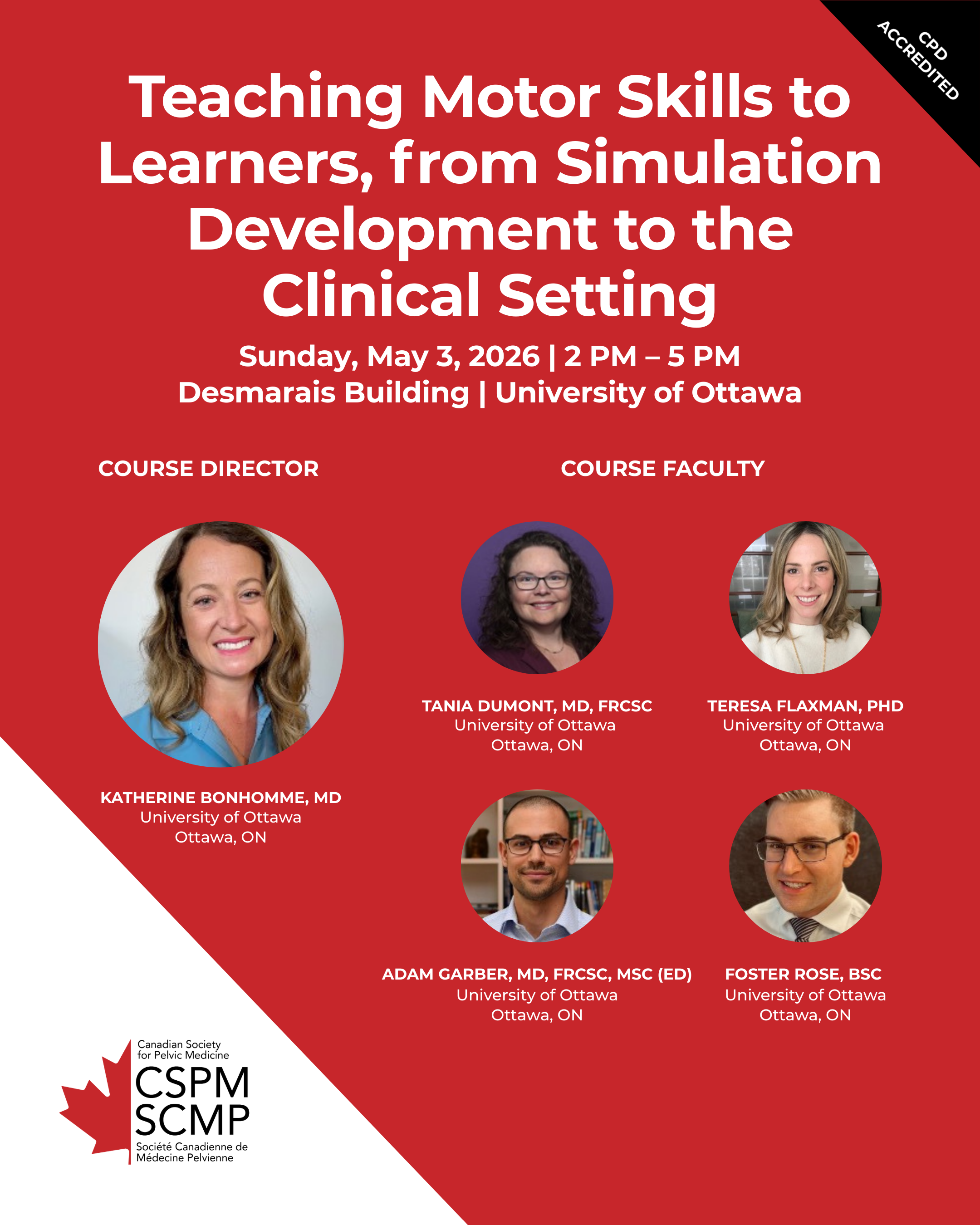
This workshop will focus on effective strategies for teaching hands-on procedural skills. Participants will discover evidence-based approaches to teaching motor skills to learners both through simulation and in the clinical setting.

This workshop will also explore the development and design of low-cost simulations augmented with silicone materials and 3D printing techniques.

Target Audience:

Healthcare professionals who teach hands-on (motor) skills or who are interested in developing simulation trainers.

Learning Objectives:

  • How to develop and design custom low-cost simulation trainers using 3D printing and silicone
  • Identify opportunities to implement or adapt simulation trainers within their own training programs
  • Describe key principles of effective hands-on procedural skills teaching, including deliberate practice, cognitive load management, and structured feedback
  • Apply a stepwise framework for teaching technical skills in clinical and simulation environments
Register Today

Workshop 8

About the Workshop:

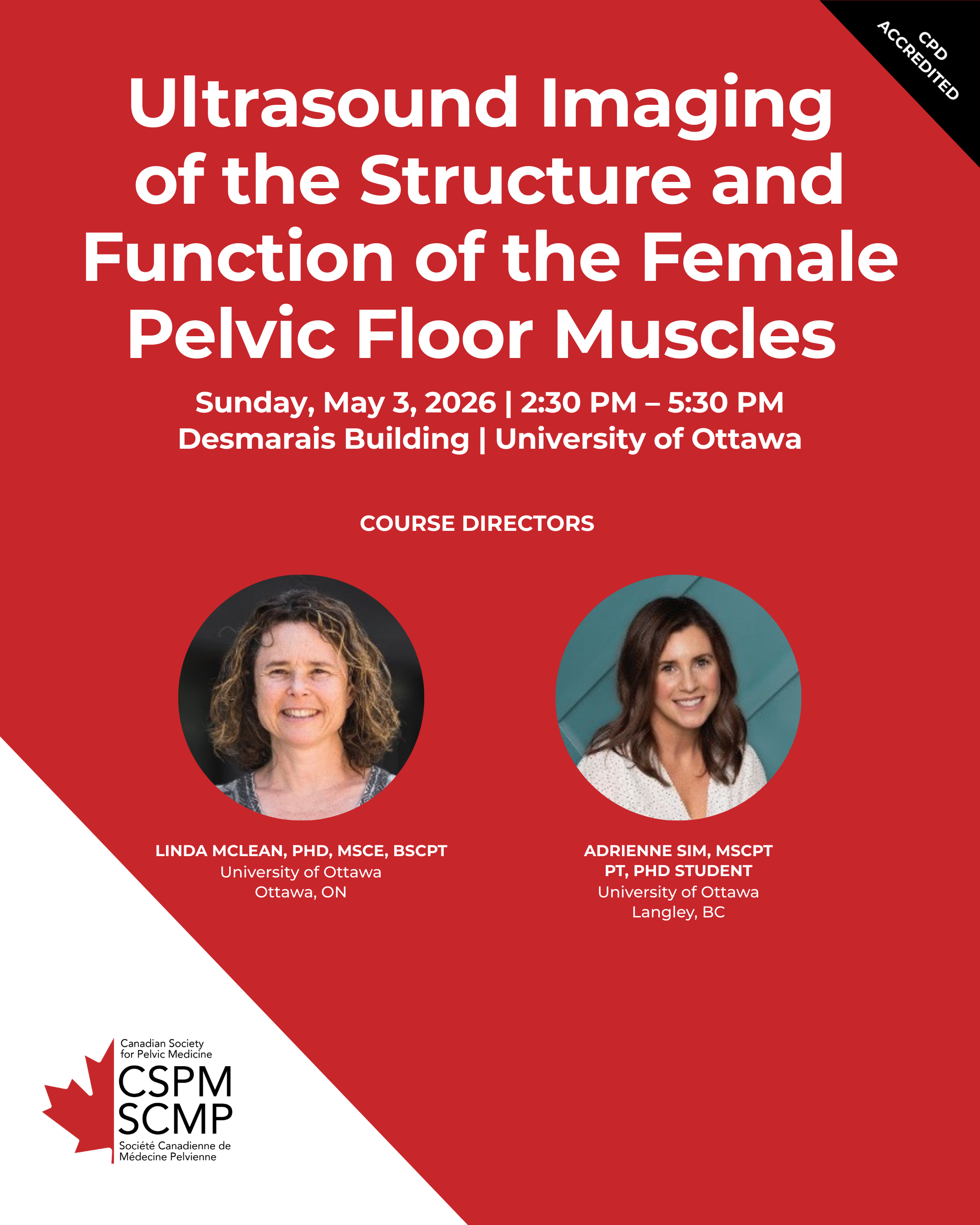
This workshop aims to provide a detailed overview of the application of ultrasound imaging to the assessment of the morphology and function of the female pelvic floor.

Emphasis will be placed on functional evaluation of the pelvic floor to guide conservative management of pelvic floor dysfunction, including the application of ultrasound imaging as a feedback tool for rehabilitation.

The session will include a live demonstration of methods and an opportunity for hands-on practice using live models. The presenters will discuss anatomy and imaging techniques for female and male anatomy, and the level of evidence for their utilization in clinical care.

Target Audience:

Physiotherapists, urogynaecologists, urologists, academic researchers.

Learning Objectives:

  • Assess the morphology and function of female pelvic floor anatomy using 2D transperineal ultrasound imaging– with beginner competency
  • Interpret dynamic USI measures of pelvic morphology during functional tasks, understanding how they relate to clinical pelvic floor assessment outcomes
  • Understand the relationship between ultrasound imaging measures and other measures of pelvic floor muscle activity, such as electromyography, and how a combination of methods is generally required to fully interpret findings
  • Discuss the current and potential clinical utility of using ultrasound imaging for the assessment and conservative treatment of pelvic floor muscle function
  • Discuss what can and cannot be interpreted from ultrasound imaging
Register Today